


Cancer research from different perspectives
IFOM studies the mechanisms that transform a normal cell into a tumor cell through an interdisciplinary approach that integrates biology, medicine, bioinformatics, physics, engineering, and mathematics. Since 2000, over 50 research groups have explored the frontiers of molecular oncology, which are led today by 28 directors whose work is integrated and complementary.
Cell Plasticity, Aging, and Tumor Evolution
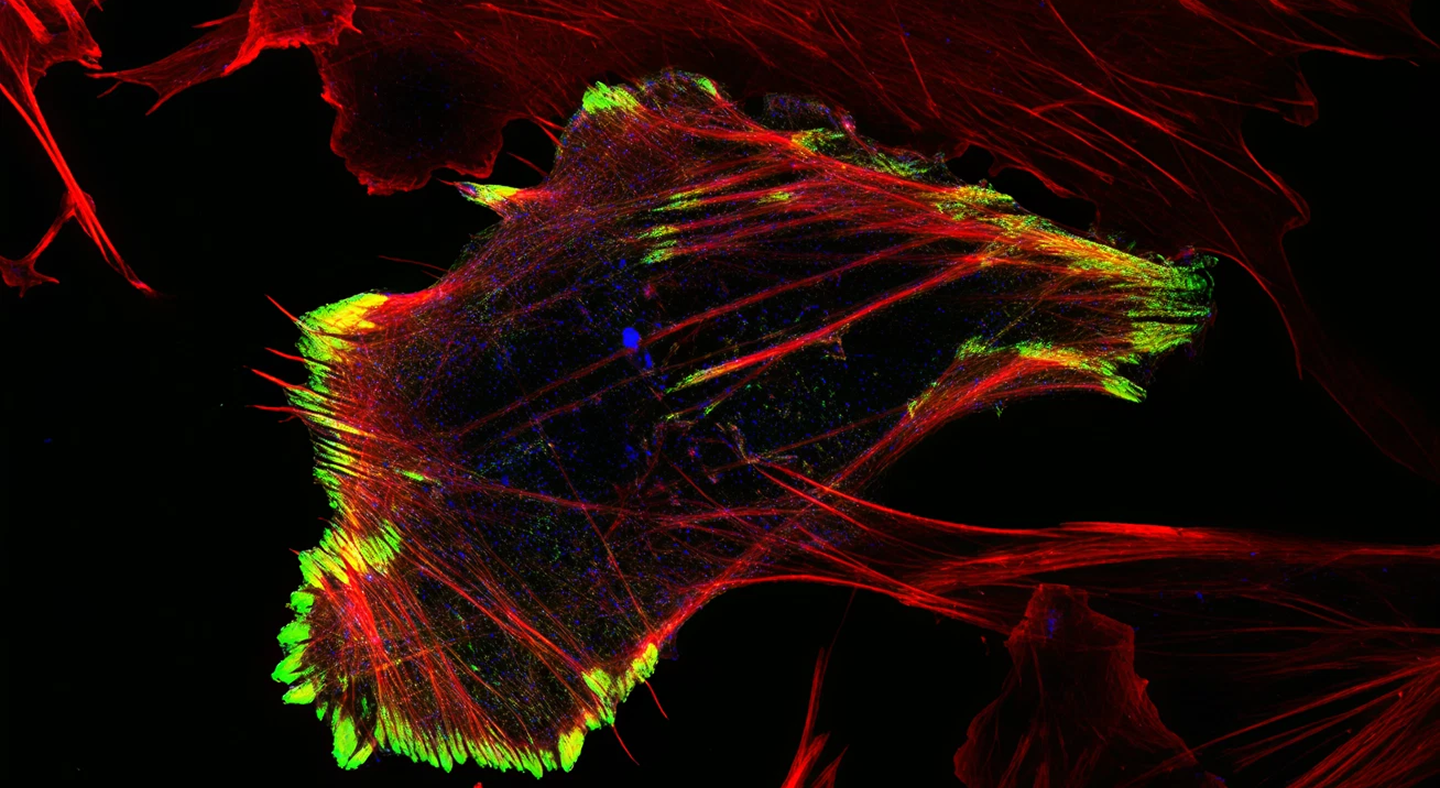
Mechanisms of Tumor Cell Migration | Giorgio Scita
We study how mechanical stress and tissue fluidification govern the earliest steps of tumor evolution, enabling collective migration and early dissemination. We uncover how mechanical forces trigger nuclear and mitochondrial DNA release, activating innate immunity and shaping tumor–immune interactions.
DNA Metabolism: From Hereditary Cancer Syndromes to Targeted Therapy | Vincenzo Costanzo
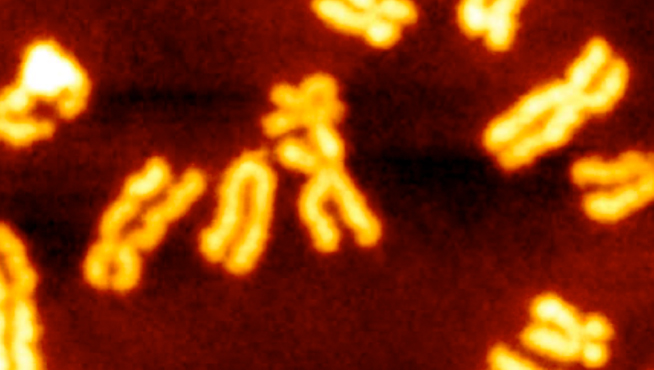
The Costanzo Laboratory investigates how cells preserve genome stability during DNA replication and how defects in this process drive cancer and therapy resistance. Over the past two decades, the laboratory has made key discoveries on RAD51, BRCA2, replication fork protection, ssDNA gap metabolism, centromere replication, chromatin-based origin control and endogenous DNA lesion repair. Its work introduced the concept that homologous recombination proteins protect stalled replication forks from nuclease-mediated degradation and more recently revealed that RAD51 and BRCA2 protect abasic DNA sites and suppress pathological DNA gaps. These discoveries have had broad impact on the fields of genome stability, DNA repair and cancer biology.